Scientific Workshop at the College of Science Warns Against Dermatological Complications of Hydrocortisone Misuse
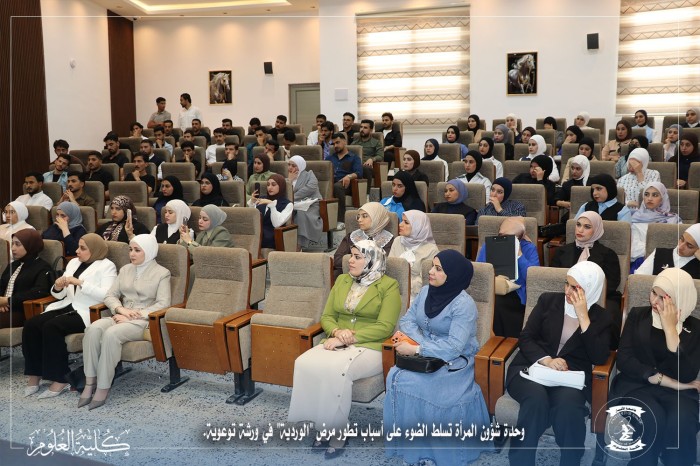
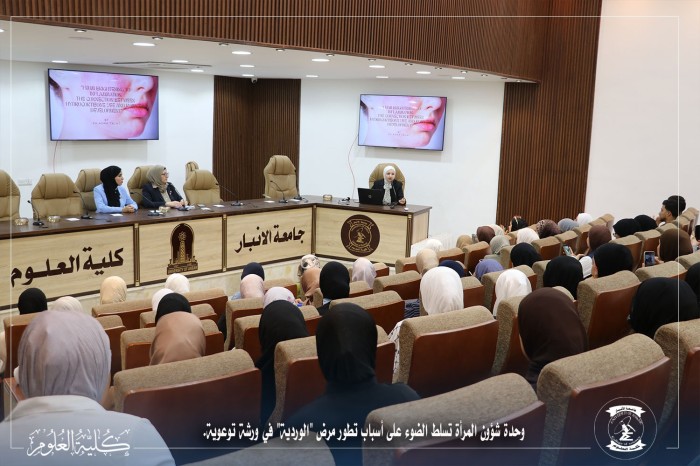
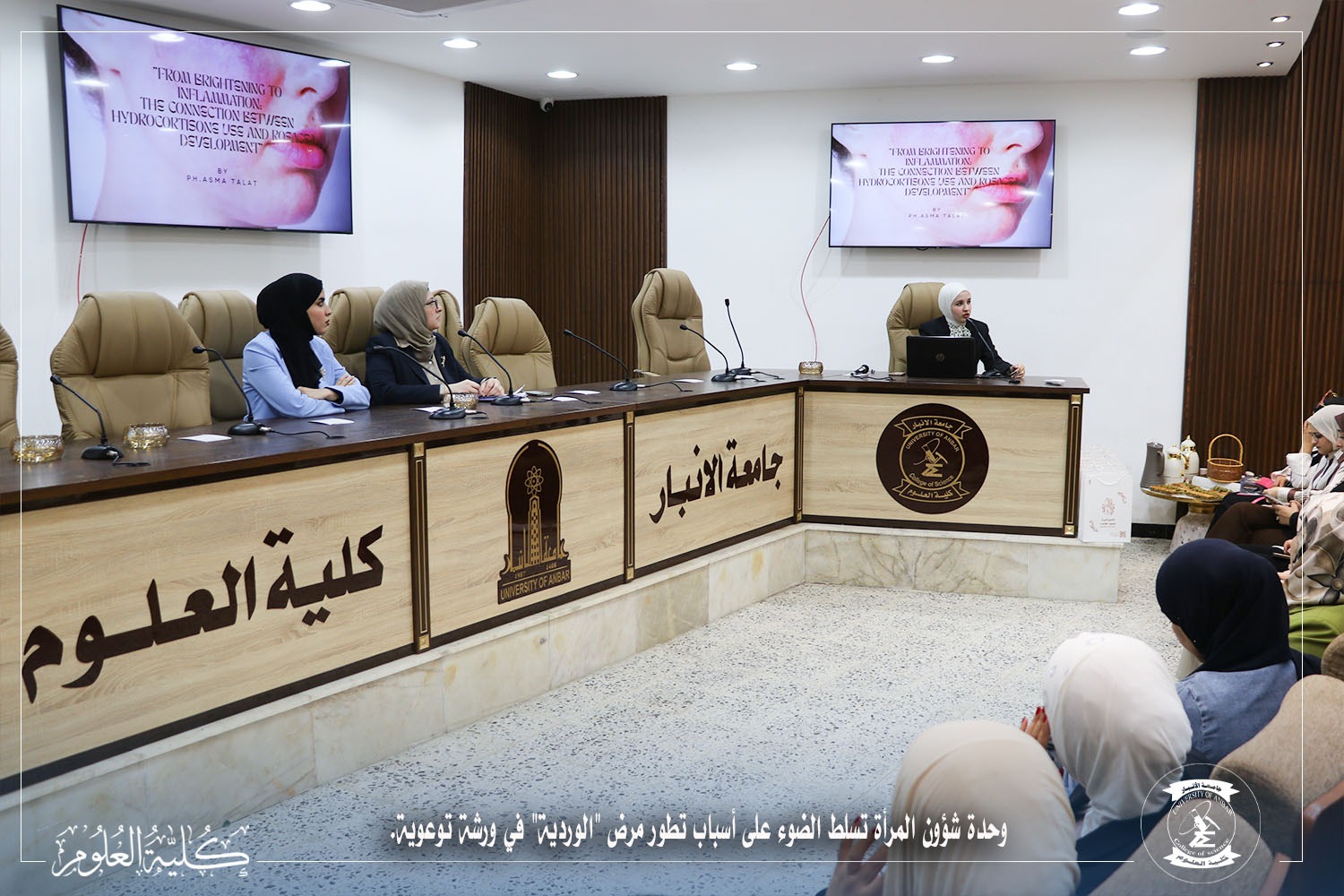
In an effort to correct common medical misconceptions and promote health awareness regarding unsafe cosmetic practices, the Women’s Affairs Unit at the College of Science organized a highly significant scientific and awareness workshop on Tuesday, April 28, 2026, entitled “From Whitening to Inflammation: The Relationship Between Hydrocortisone Use and the Development of Rosacea,” held at Ibn Sina Hall.
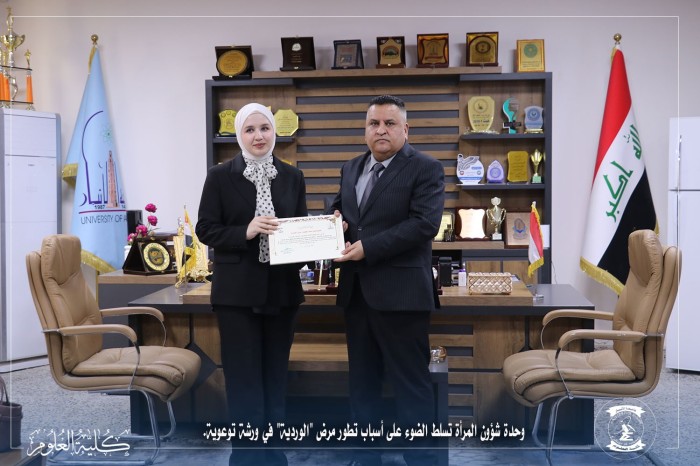
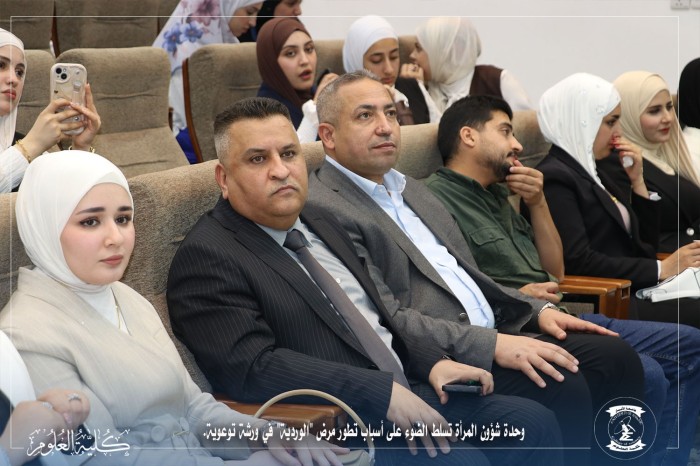
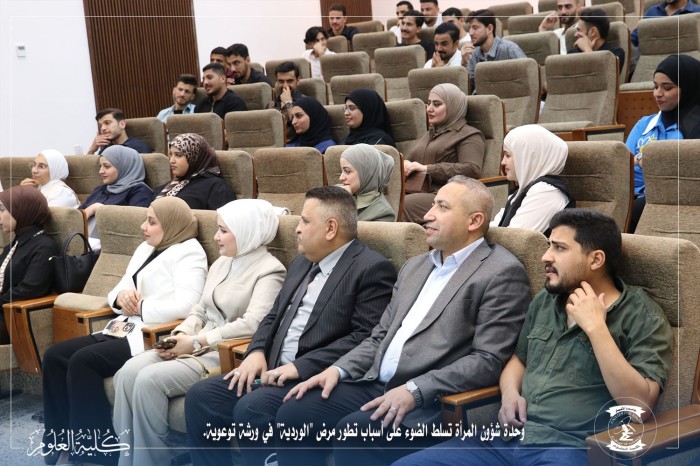
The workshop witnessed notable attendance, led by the Dean of the College of Science, Prof. Dr. Ismat Ramzi Abdul Ghafour, alongside a distinguished group of faculty members and students.
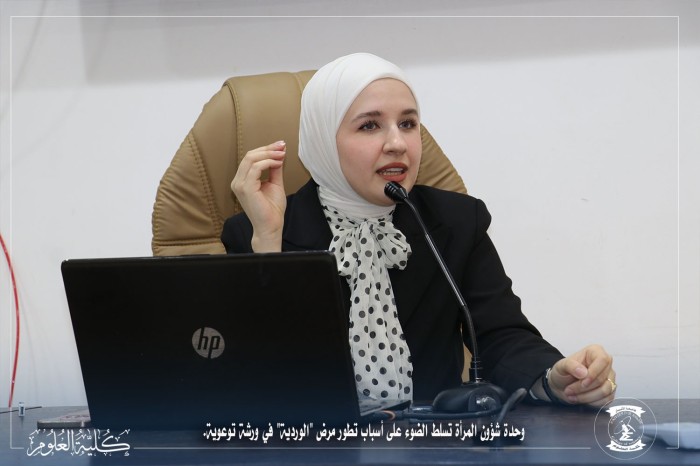
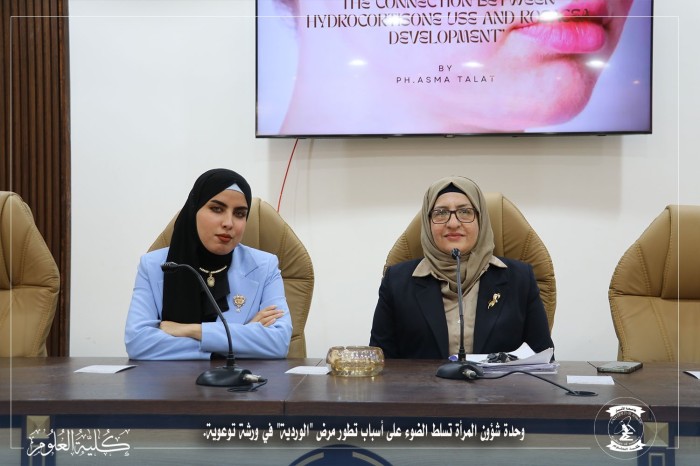
The session was effectively moderated by Asst. Prof.r Dr. Yusra Mahmoud Hammadi, who introduced the topic by emphasizing the importance of pharmacological awareness in skincare practices. This was followed by a comprehensive lecture delivered by pharmacist Asmaa Talat Ramzi, who provided an in-depth medical analysis warning against the prolonged and unsupervised use of "hydrocortisone" creams for skin whitening purposes. The lecture highlighted how such misuse can transition from a cosmetic intent into a serious dermatological condition, leading to the disruption of the skin barrier, suppression of local immunity, and ultimately triggering severe inflammatory responses and the development of chronic "steroid-induced rosacea".
In his remarks during the workshop, the Dean commended the Women’s Affairs Unit for selecting such a vital topic that directly impacts individual and public health. He also praised the clarity and scientific rigor of the presentation, emphasizing that the role of the College of Science extends beyond academic instruction to include community health awareness and the prevention of risks associated with improper use of medical products.
The workshop concluded with an open discussion session, during which participants actively engaged by raising questions about safe skincare alternatives and appropriate management of dermatological complications. The event was widely regarded as a successful addition to the College’s portfolio of impactful academic and awareness activities.